
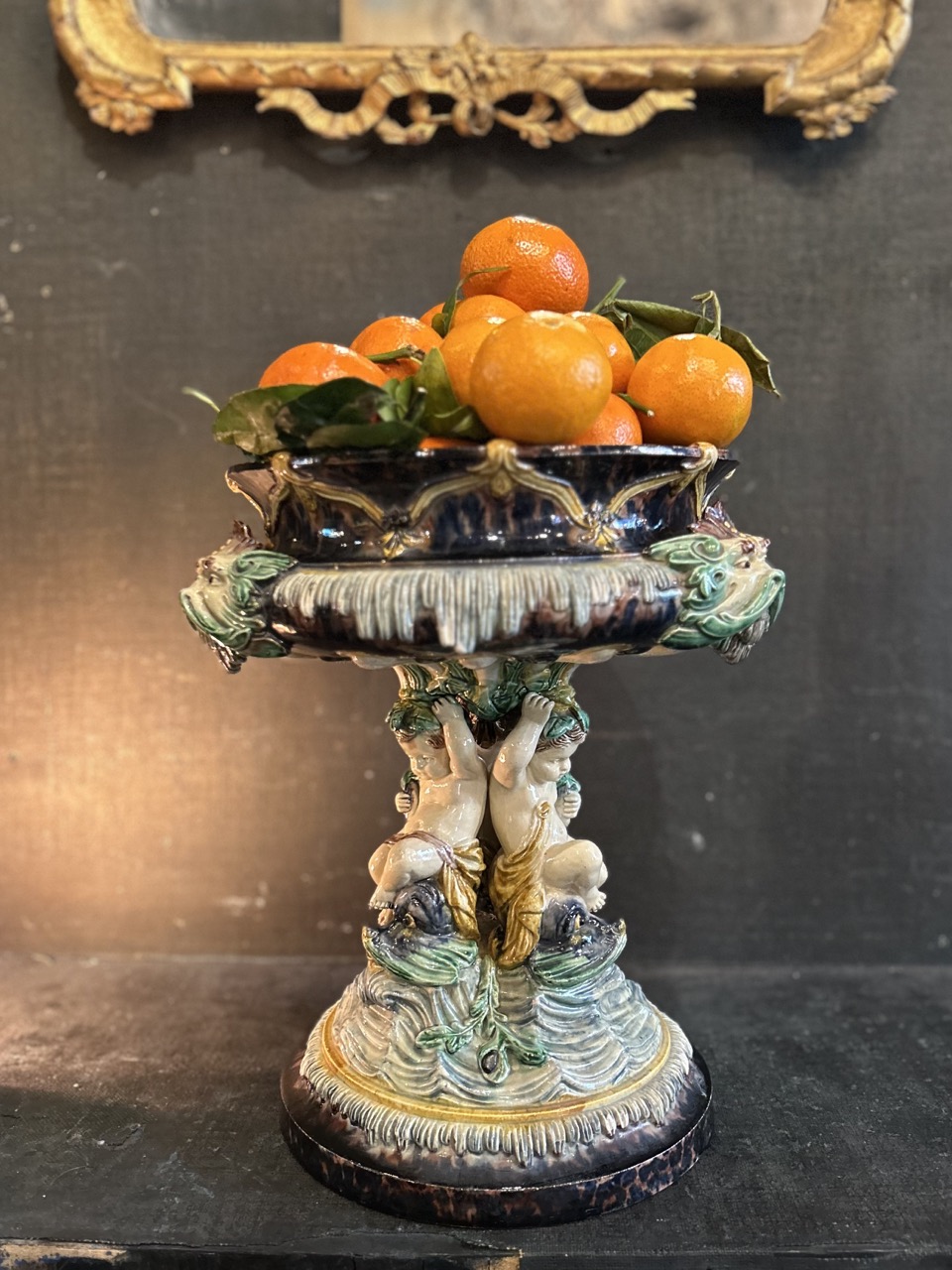
Model out of the ordinary, richly crafted with three cupids riding dolphins supporting a bowl with plant and aquatic decoration. The work resembles that of Thomas Sergent (1830 – 1890)

Pair of porcelain candlesticks with putti decorations and flowers, in the taste of Meissen
Late 19th century
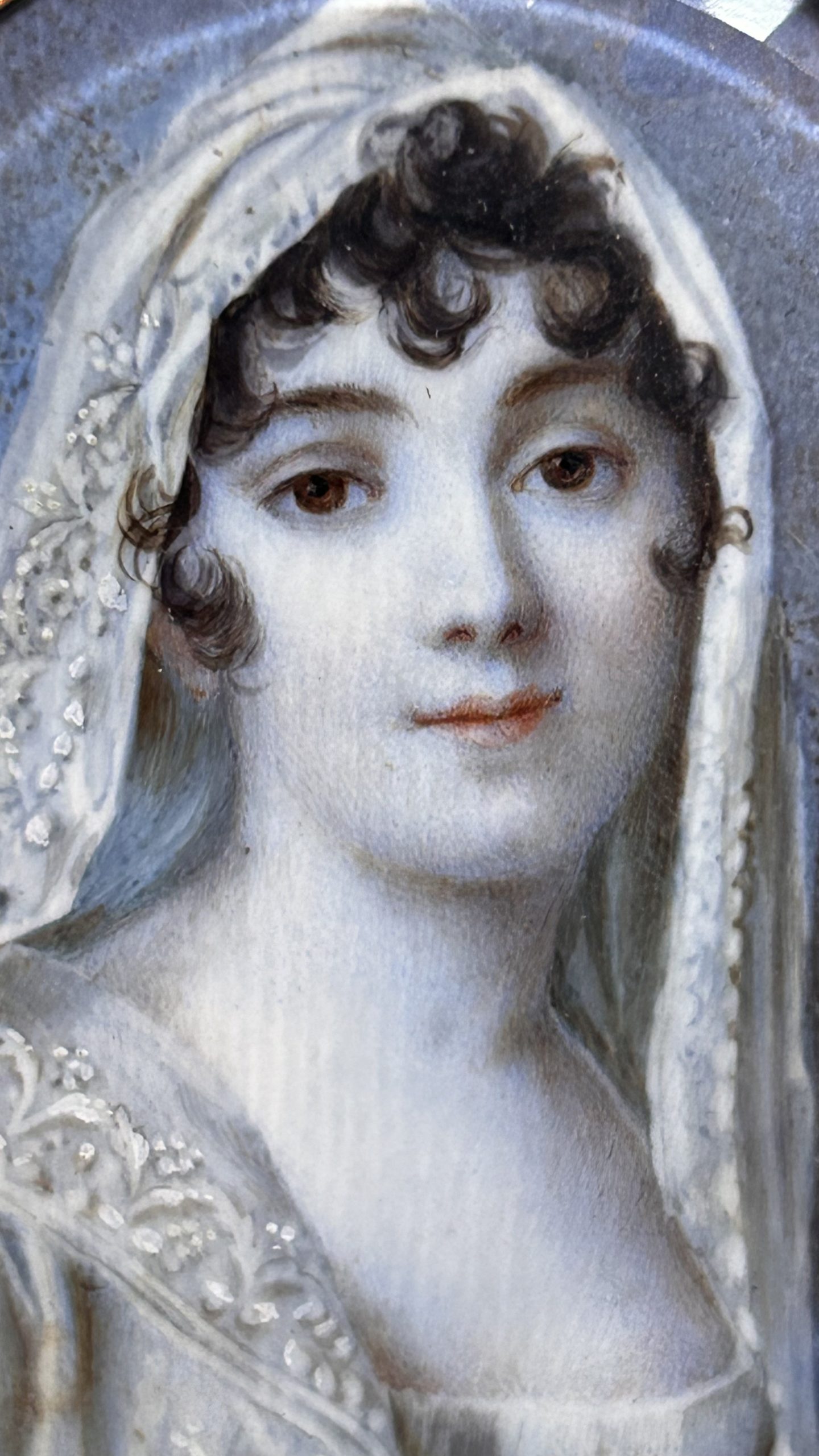
Miniature on ivory “Portrait of a veiled young woman” mounted in brooch, vermeille frame, bevelled glass protection,
signed Jean-Urbin Guérin, French draftsman and miniature painter (1760-1836).
Early 19th century
France
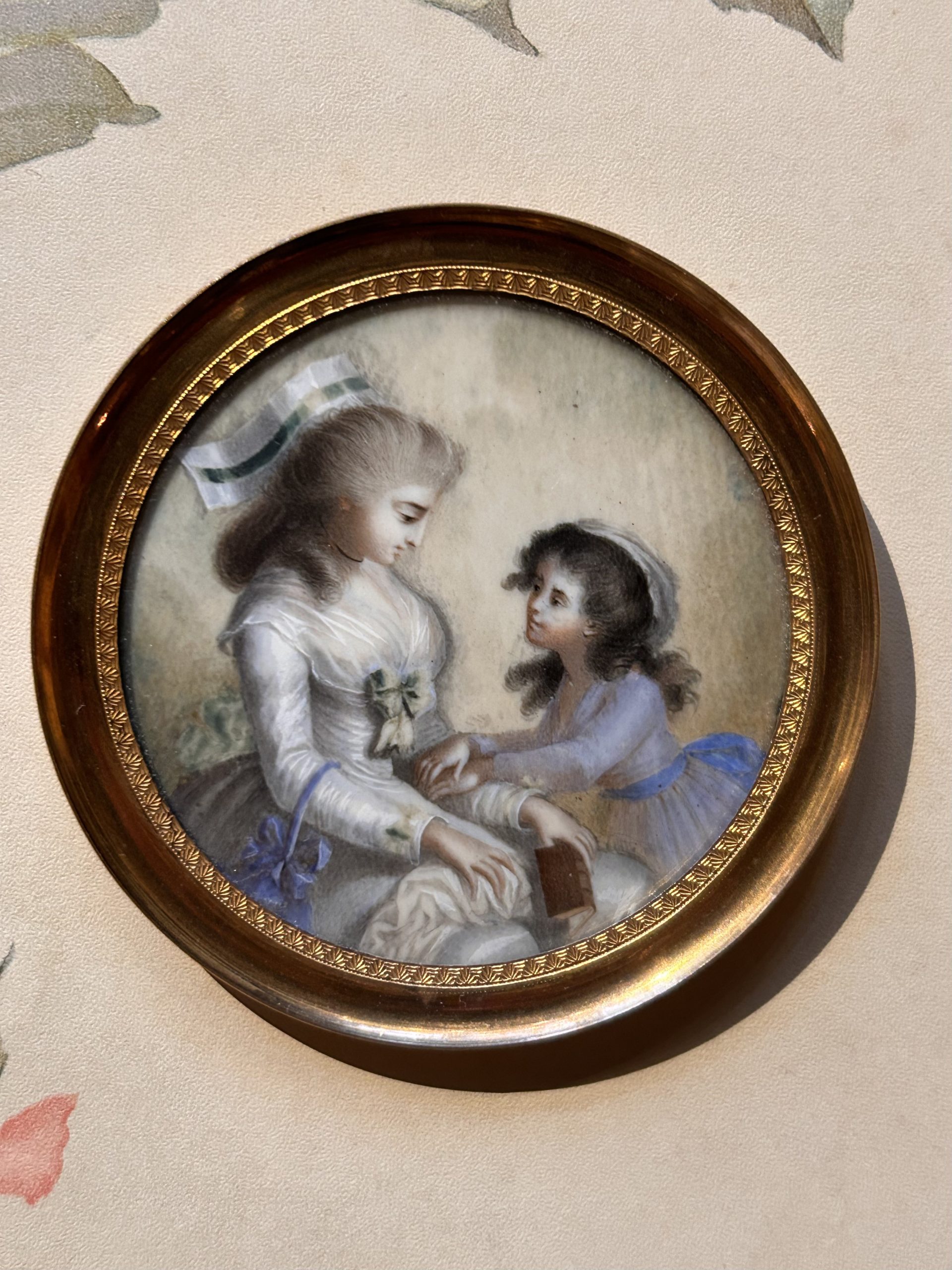
“Mother and daughter”, oval miniature painted in gouache on ivory in an oval hoop to hang in gilded bronze.
Around 1780
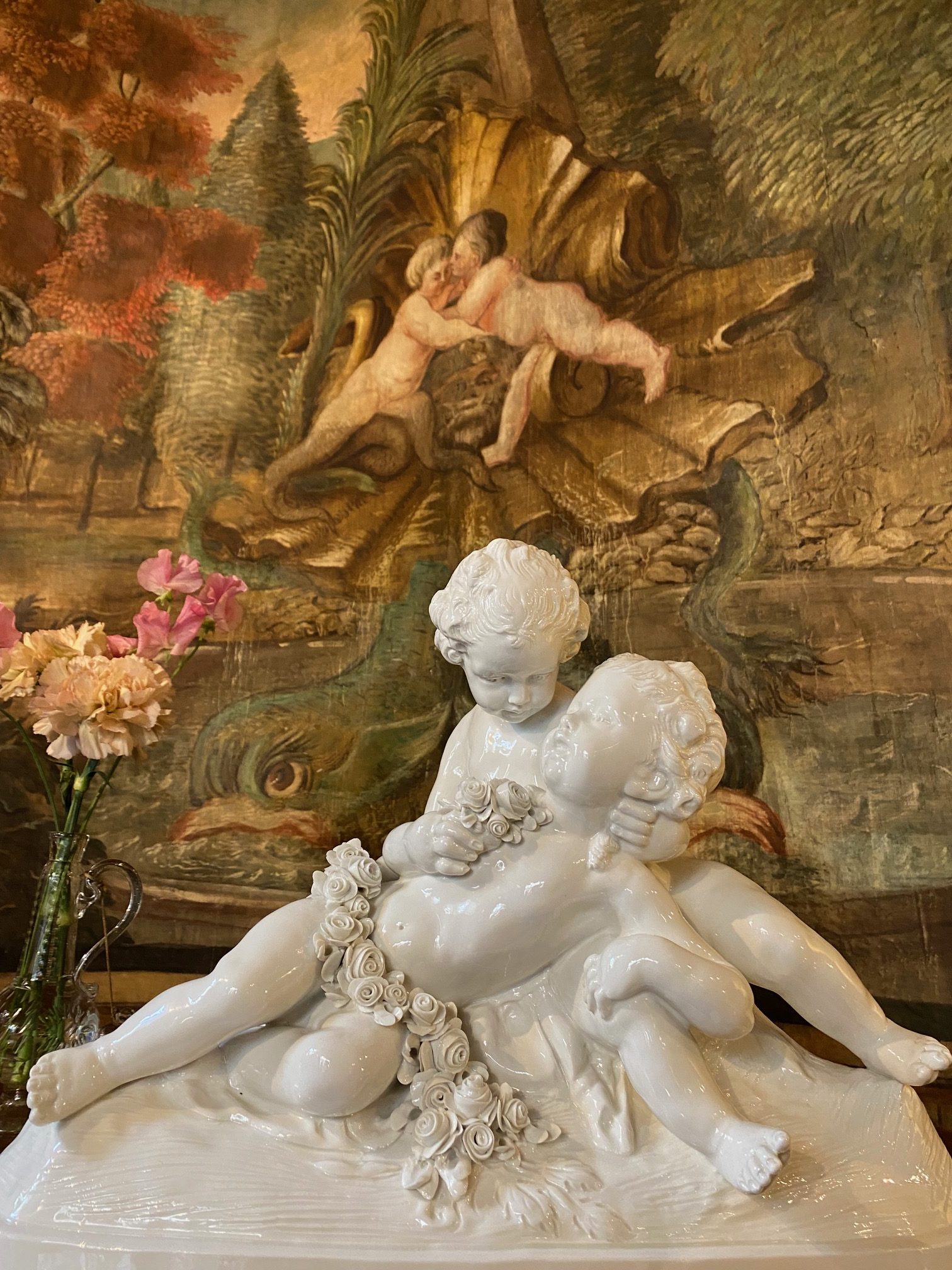
Group featuring two gallant putti in the style of the eighteenth century, signed Badessi, marked in blue on the base.
19th century
Naples, Italy
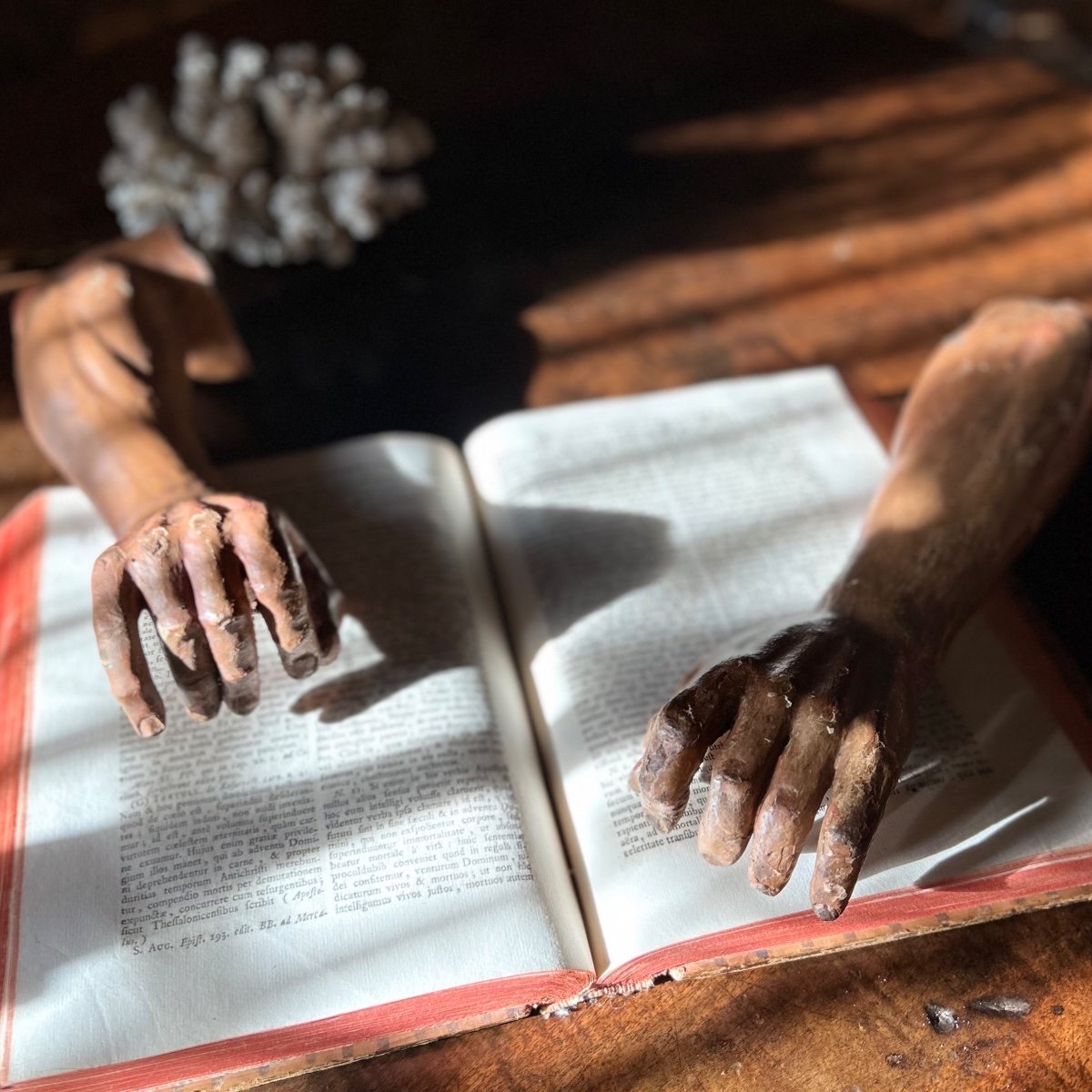
Amazing pair of human-sized carved and gilded wooden hands. Probably part of a processions statue – Capitpote.
Late 18th century
Italy
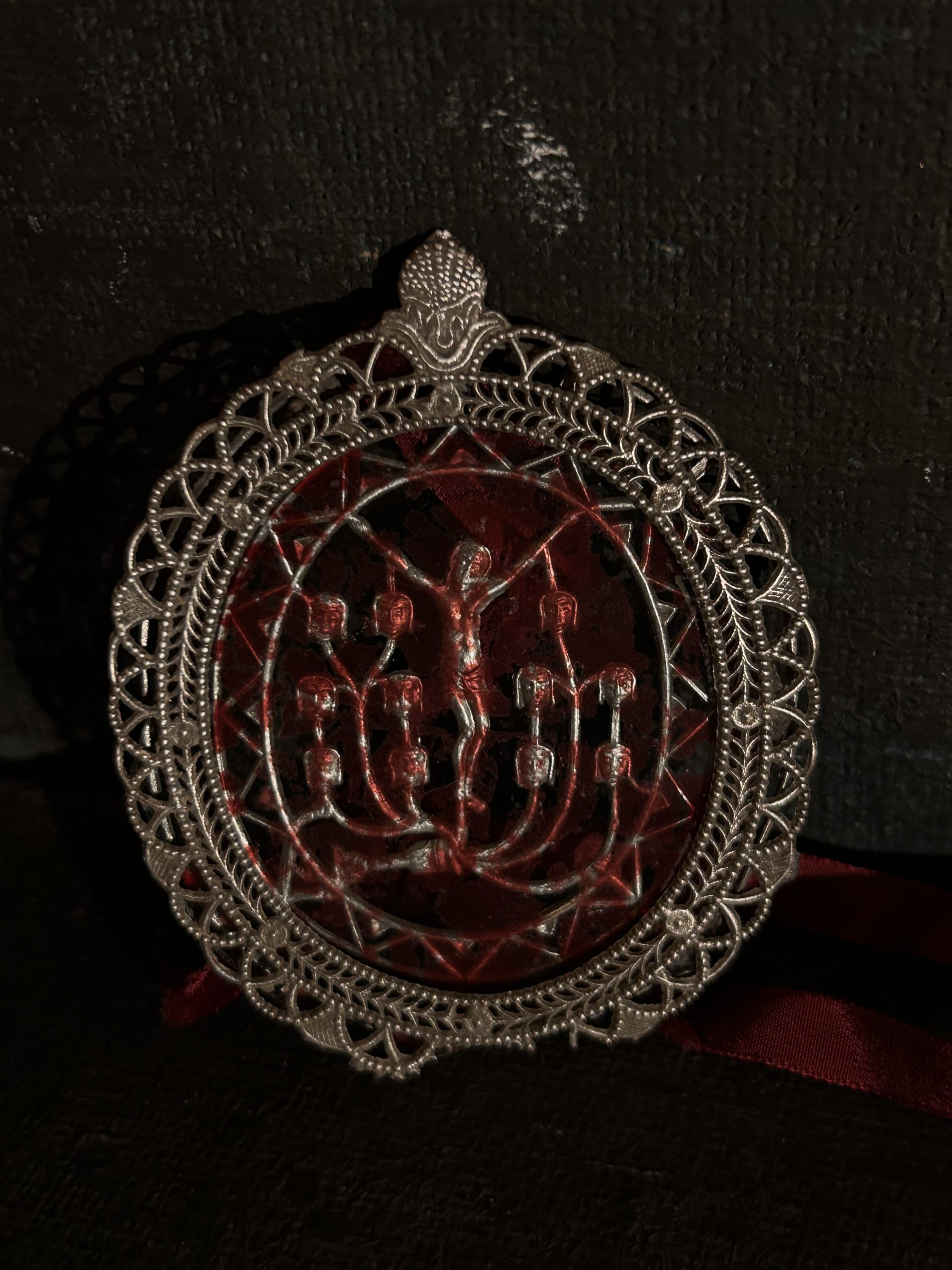
Ex-voto in metal and colored glass, representing Christ.
Probably works from Northern Europe,
Late 18th century
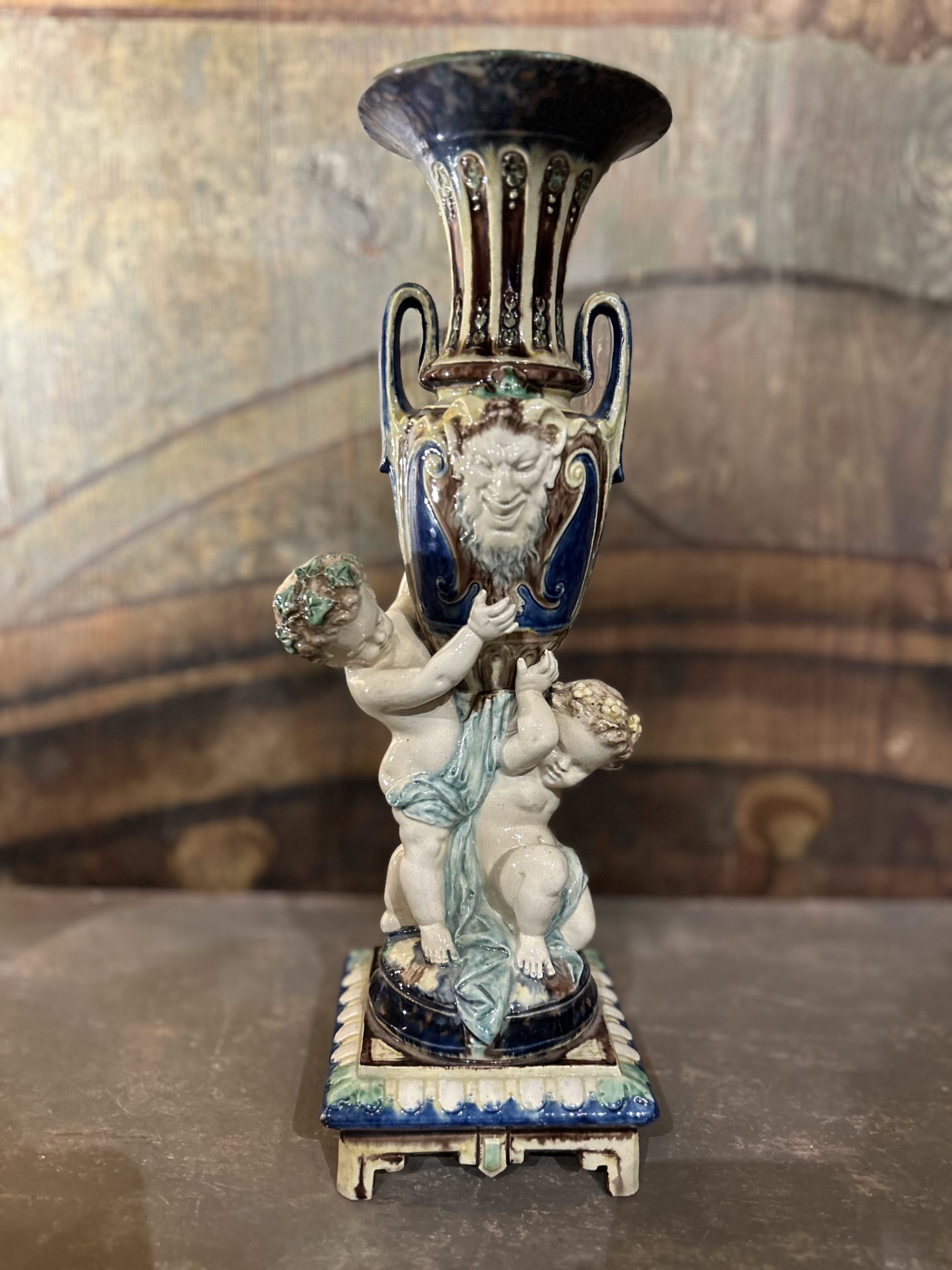
Charming vase with slip bodies, decorated with heads of fauns and draped putti crowned with leaves and flowers, in the style of “Minton”.
England,
19th century
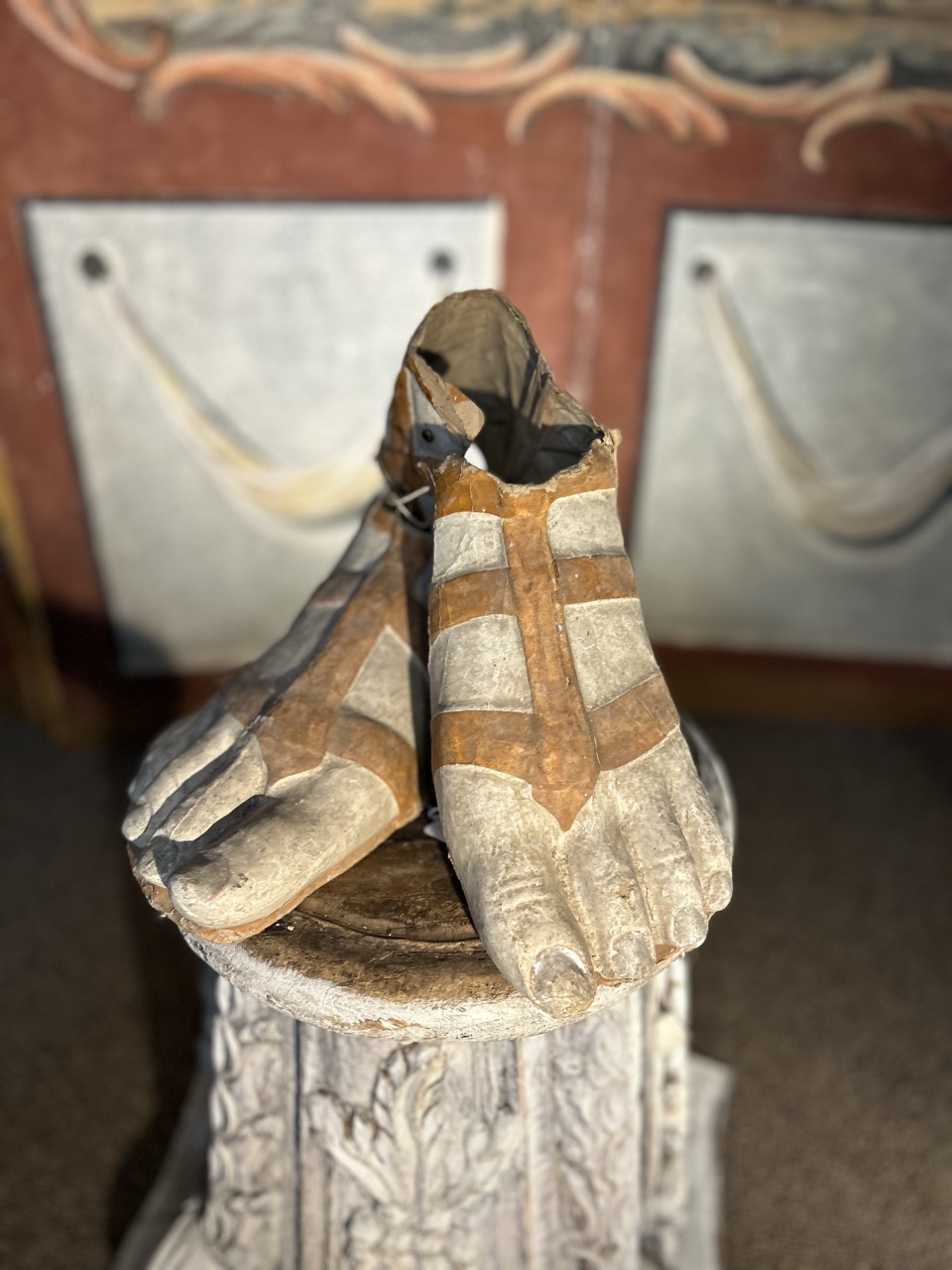
Rare pair of feet in sandals, Greek style, a costume element for a play.
Paper Mache
France, 19th century
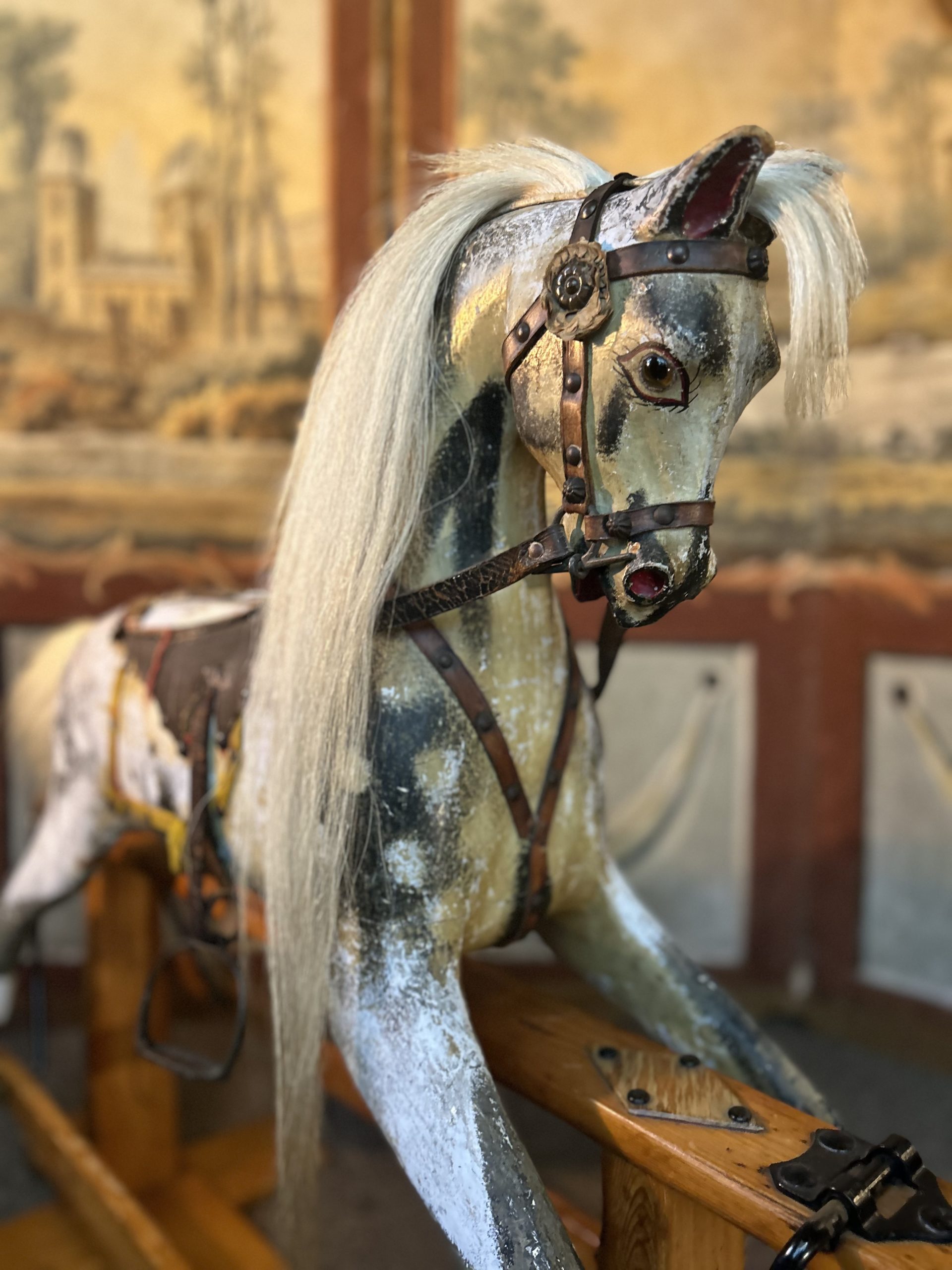
Painted apple grey wooden rocking horse, original mane, sulphide eyes, original tacks, “Rambler Liverpool” label.
Liverpool, England
late 19th century.