
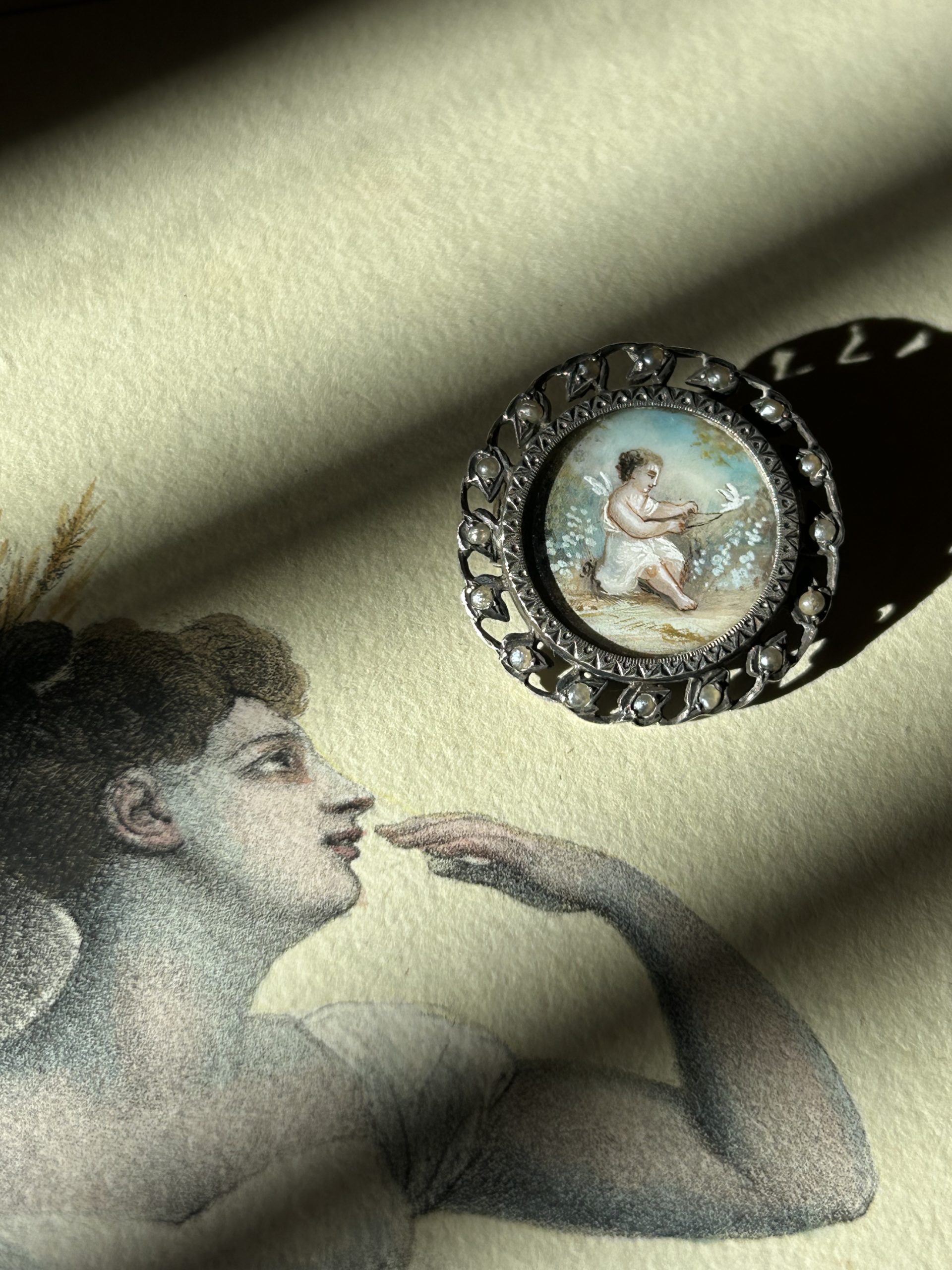
The composition highlights a miniature under glass representing a cherub dressed in antique style, accompanied by a dove, symbol of love and purity.
The finesse of the decor, combined with the softness of the subject, gives this piece a romantic character typical of the 19th century.

Rare day bed, sculpted wood, original polychromy, to recover
Epoch Directoire
France

This solid wood Renaissance-style dining table rests on four substantial column-shaped legs, giving it a striking appearance.
It conceals a very practical system for extending the leaves, allowing you to easily enlarge or reduce the surface area, transforming it from an intimate dinner party to a large reception table.
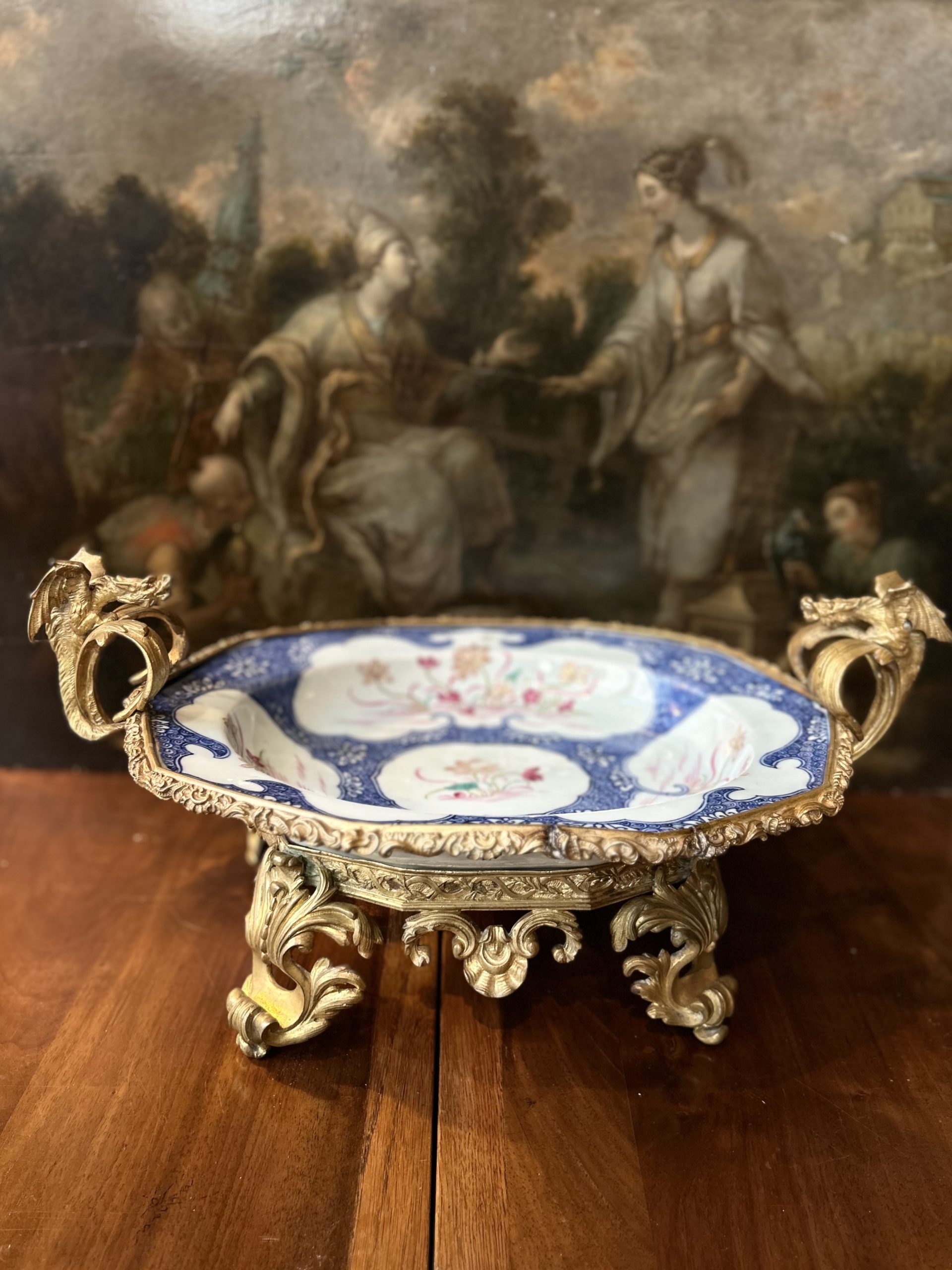
It consists of a deep Imari-type porcelain plate, in particularly bright colors, deep blue, bright white and intense red.
The gilded bronze frame is in keeping with the spirit typical of the Louis XV style.
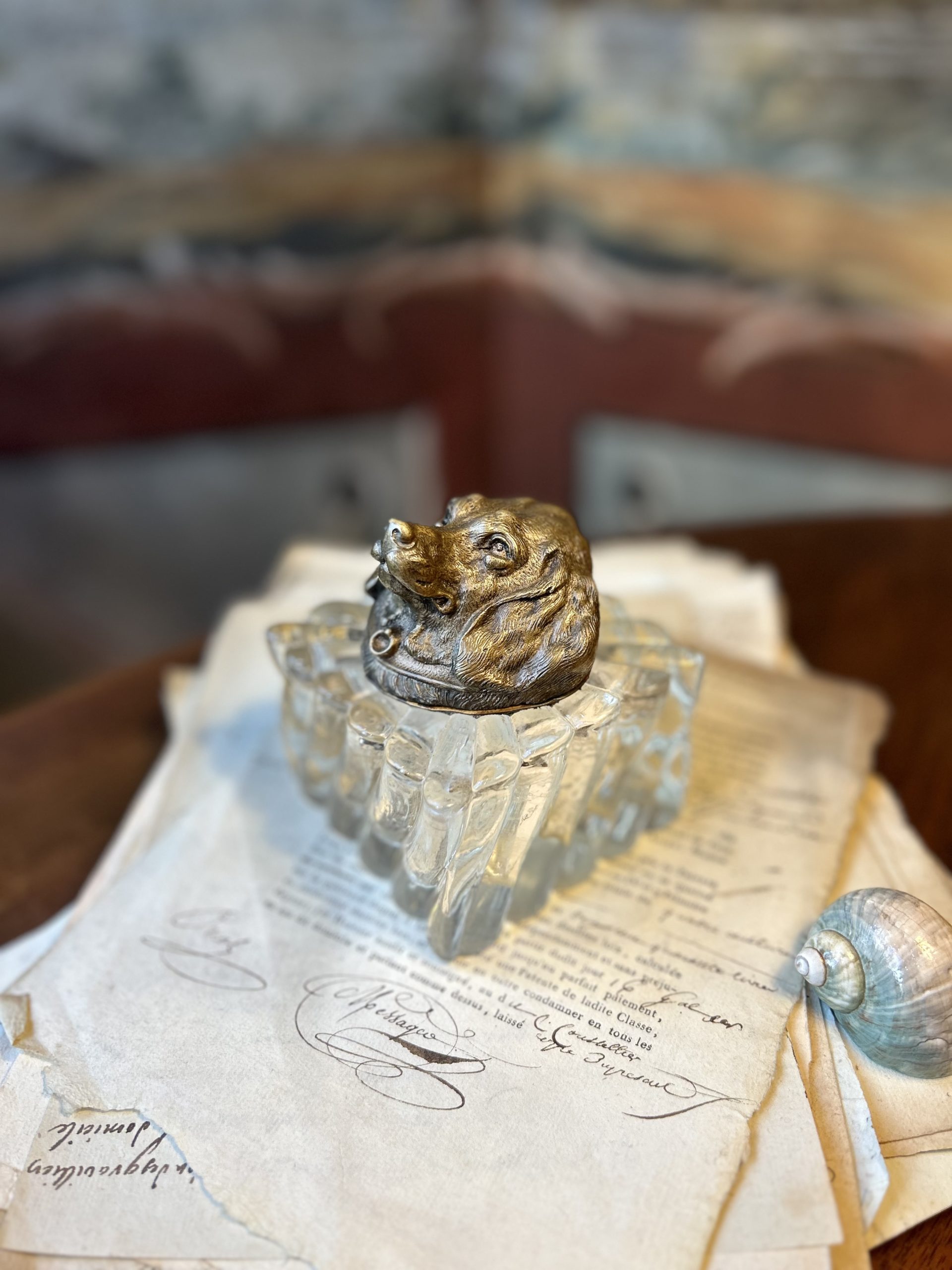
Today, it can also be used as a paperweight, while retaining its decorative charm and unique presence.
France
Late 19th century
An elegant curiosity from the Napoleon III period, this piece illustrates the 19th-century fascination with Japonisme, which was very fashionable during the Second Empire after Japan opened to the West.
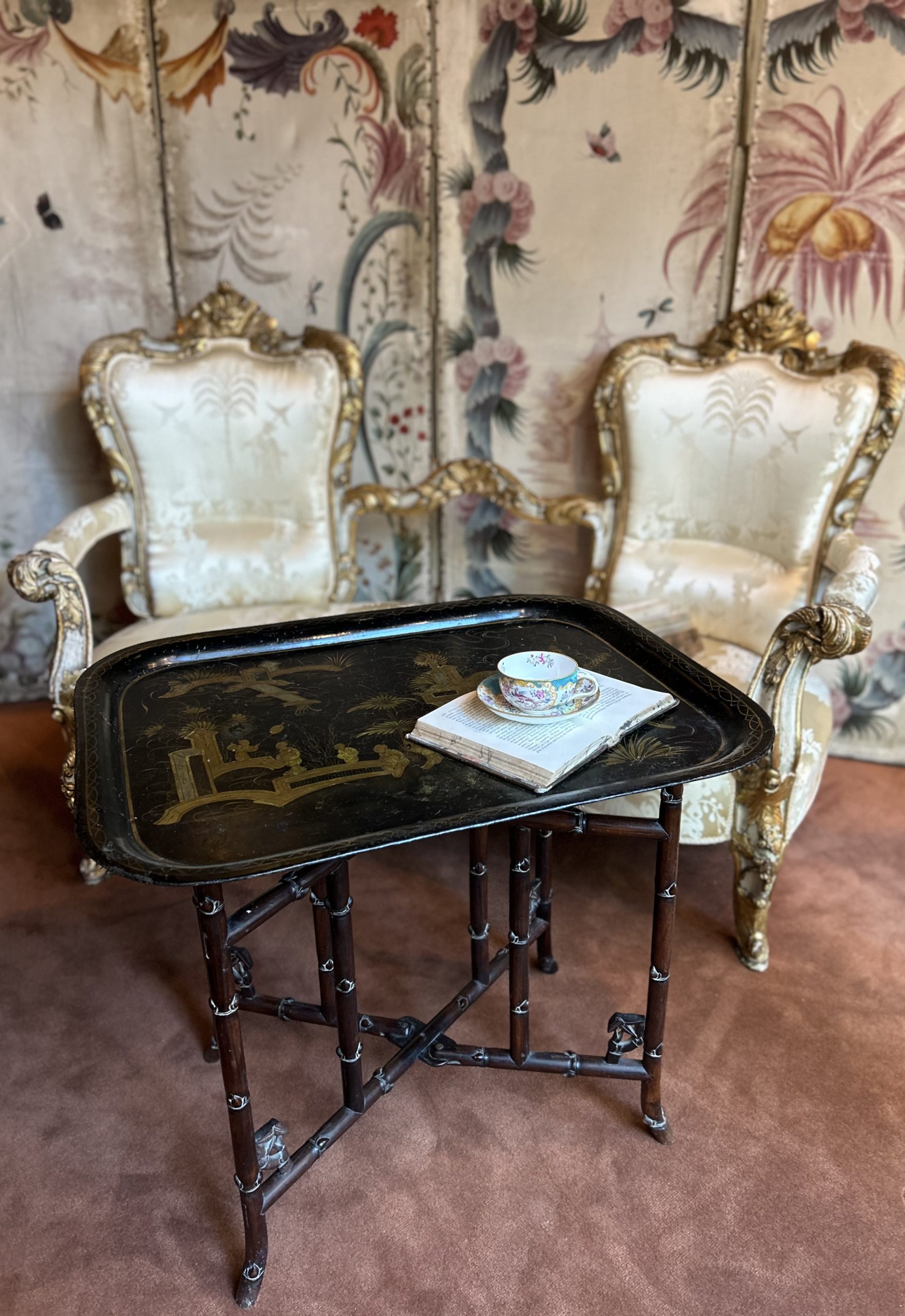
Charming Napoleon III period coffee table with a rectangular top featuring raised edges, decorated with a Japanese-style genre scene against a black background.
France XIX century
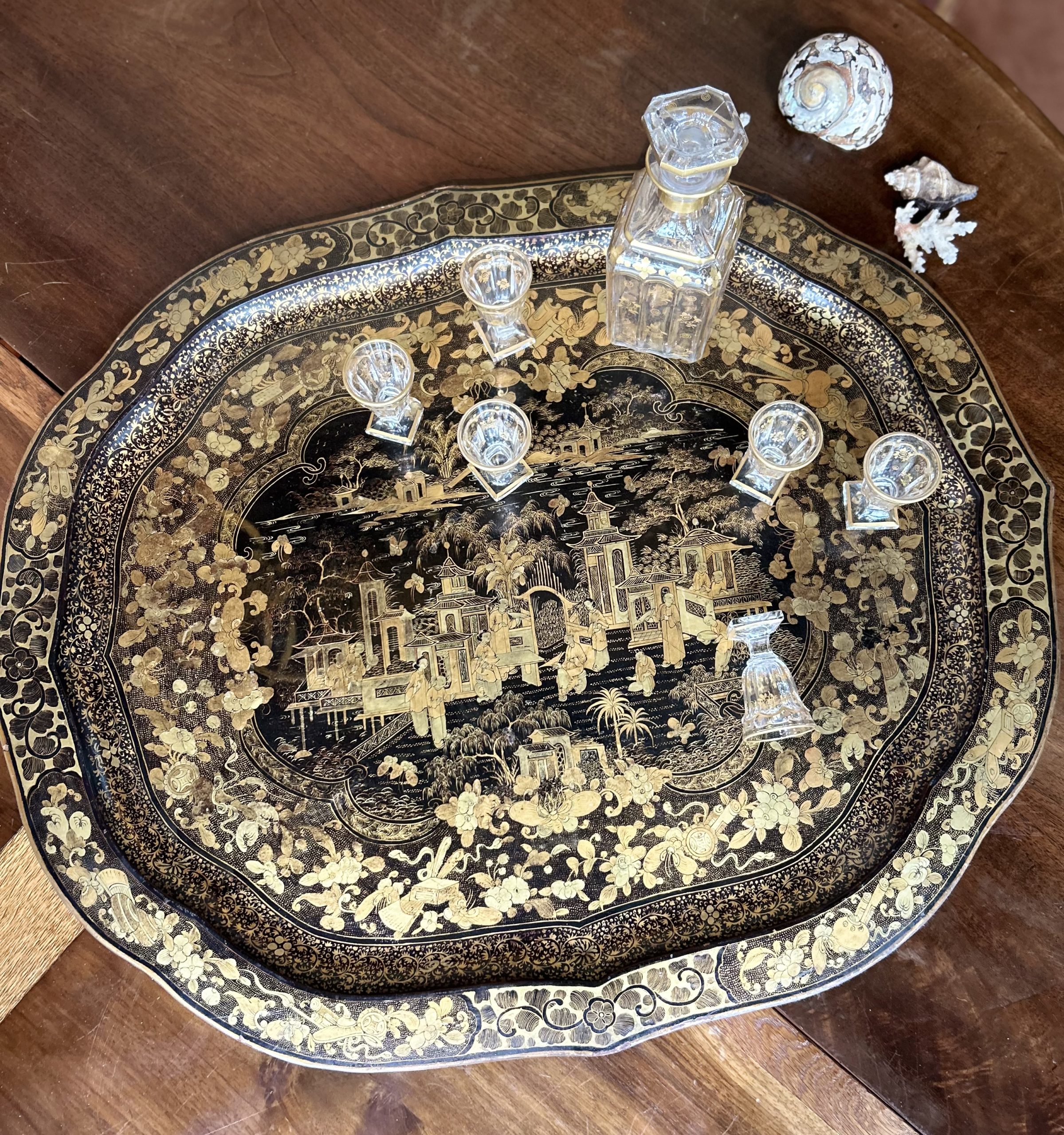
Primarily used for serving tea, it is a fine example of a Cantonese export item, combining the exoticism of Far Eastern landscapes with the refinement of the Second Empire style.
France, 19th century

At the time, this was an expensive and prestigious item, intended for a wealthy clientele. These mirrors were sold particularly at the major fairs of Beaucaire, a strategic town located on the banks of the Rhône, then the main communication route between the Mediterranean and the interior.
France, 18th Century
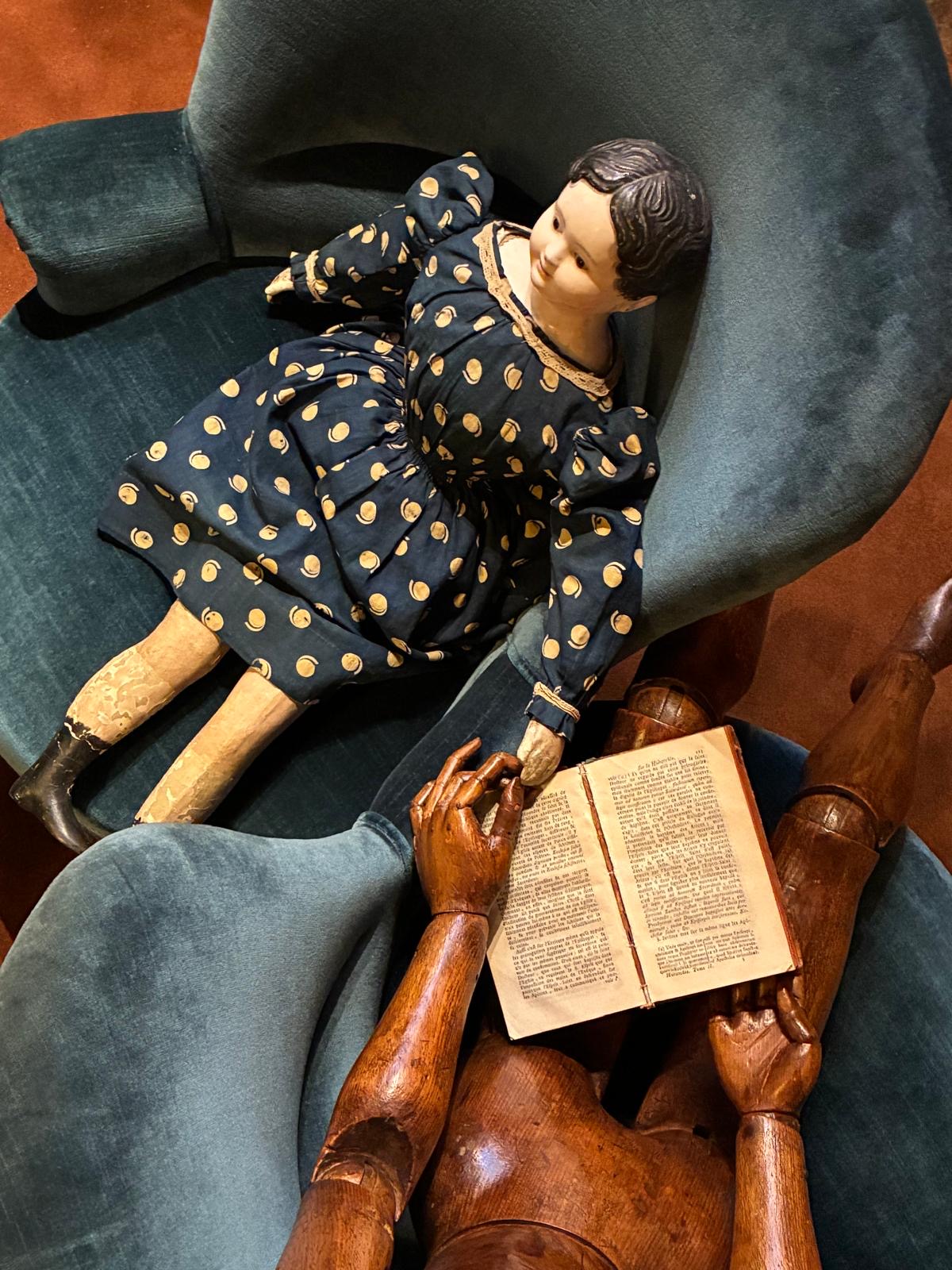
“The confidant, also called a conversation chair, vis-à-vis chair, or tête-à-tête chair, is a double armchair in an S shape that allows two people to talk without having to turn their heads. This piece of furniture is an invention of the Second Empire. It can also be triple, or even multiple, with several S-shaped chairs joined or aligned; this is then called an indiscreet chair.
The confidant was very fashionable during the reign of the French leader Napoleon III. It is a typical piece of furniture found in the “boudoirs and antechambers of power.”