

Her hair is styled in a natural, loose, untidy manner typical of late 18th-century fashion. She wears a simple, pure white muslin dress, reflecting the changing customs and tastes of the post-revolutionary era.
France
1794

This delicate watercolor depicts two elegantly dressed young girls.
This image conveys the refinement and gentleness of early 20th-century bourgeois childhood.
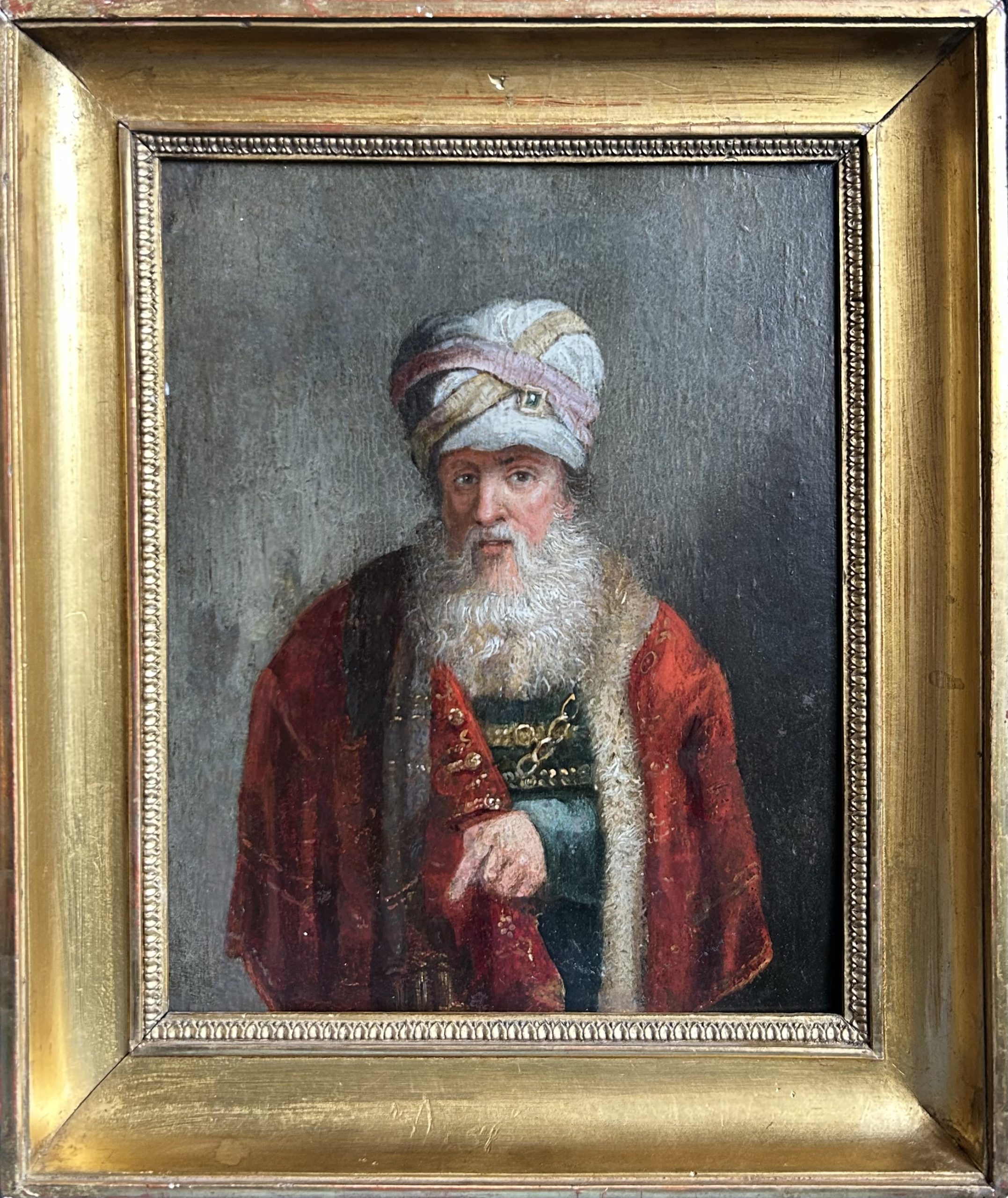
This portrait depicts an elderly, bearded man in ceremonial oriental attire, a subject particularly popular in the 19th century during the rediscovery of the Dutch Golden Age. The figure is shown half-length, facing the viewer, wearing an imposing turban adorned with a cabochon and a rich red cape trimmed with fur.
France
19th century

This large-format painting depicts the Last Judgement. The scene shows an angel holding a trumpet, accompanied by two cherubs, standing on a cloud and holding the eternal Gospel, on which we can read in Latin: ‘Timete Dominum, quia venit hora judicii ejus: et adorate eum, qui fecit caelum, et terram, mare, et fontes aquarum.’ This warning is preceded in the texts by: “Then I saw another angel flying in the zenith. He had an eternal Gospel to proclaim to all the inhabitants of the earth, to every nation, tribe, language and people. He cried out with a loud voice: Fear God and give him glory, for the hour has come when he will judge. Worship him who made the heavens, the earth, the sea and the springs.” This is a passage from the Apocalypse of St. John 14:7.
In this painting, we can see an iconographic variation that focuses mainly on the tone given to this scene. While most representations of the Apocalypse depict this scene with an intention of gravity and “chaos”, this painting seems, on the contrary, to announce good news, the triumph of good over evil, of God over Satan.
While depictions of the Last Judgement often show a contrast between the peace of heaven and the chaos on earth, this is partly to highlight the ‘heavenly glory’ of the righteous in contrast to the wicked, who will suffer eternal shame and torment. This eschatological thinking was central to society in the 15th and 16th centuries, as the ‘end of the world’ was a source of great concern to the population.
While this iconography is widely developed in many religious buildings, through frescoes and sculpted tympanums, we can also see it incorporated into tapestry and painting.
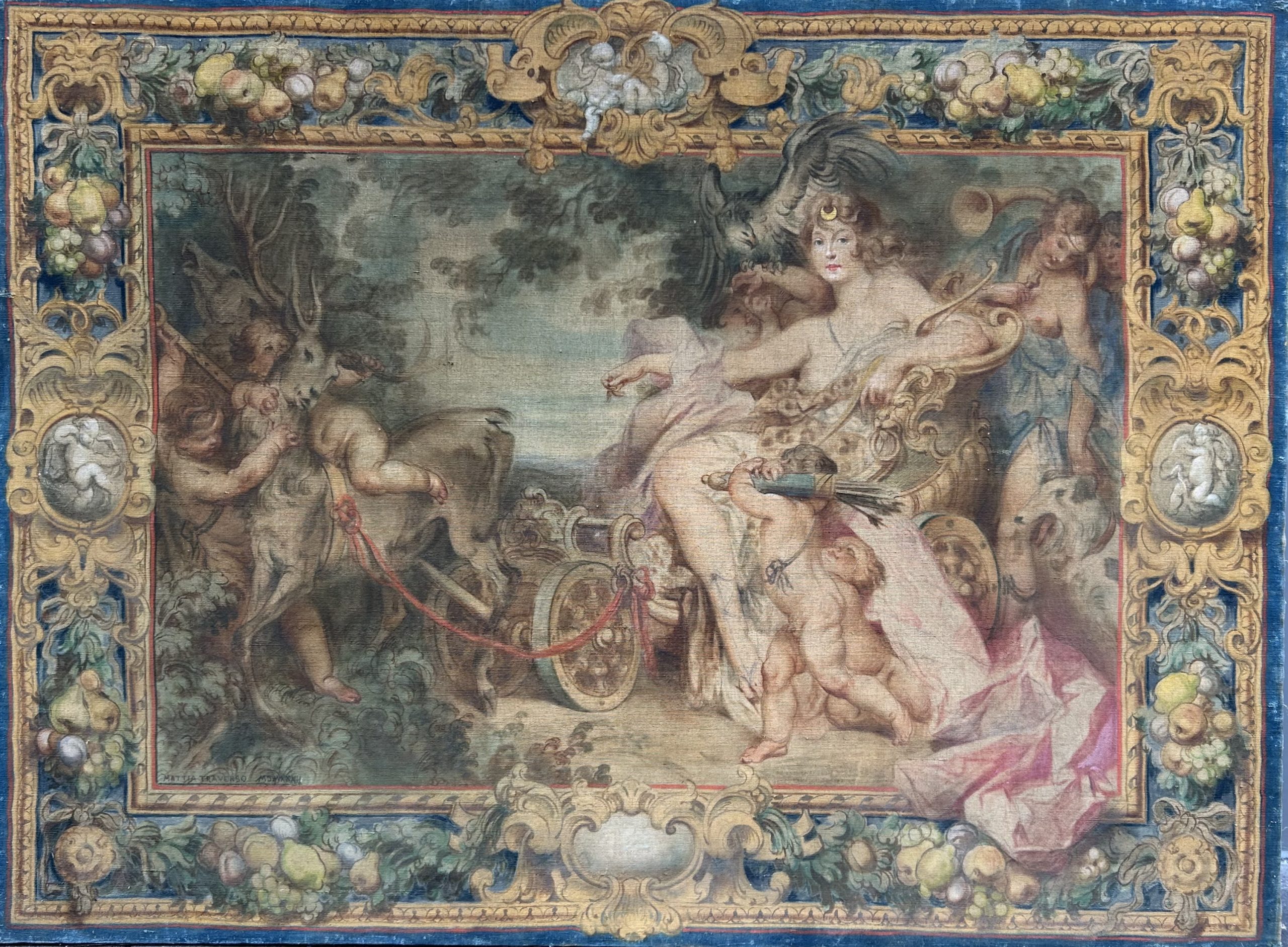
Mattia Traverso, born in Genoa in 1885 and died in 1956, was a highly talented Italian painter renowned for his exceptional technical mastery and his taste for classical scenes of grand decoration, which allowed him to revive the splendor of past centuries with a modern elegance.
Italy
Signed and dated 1932
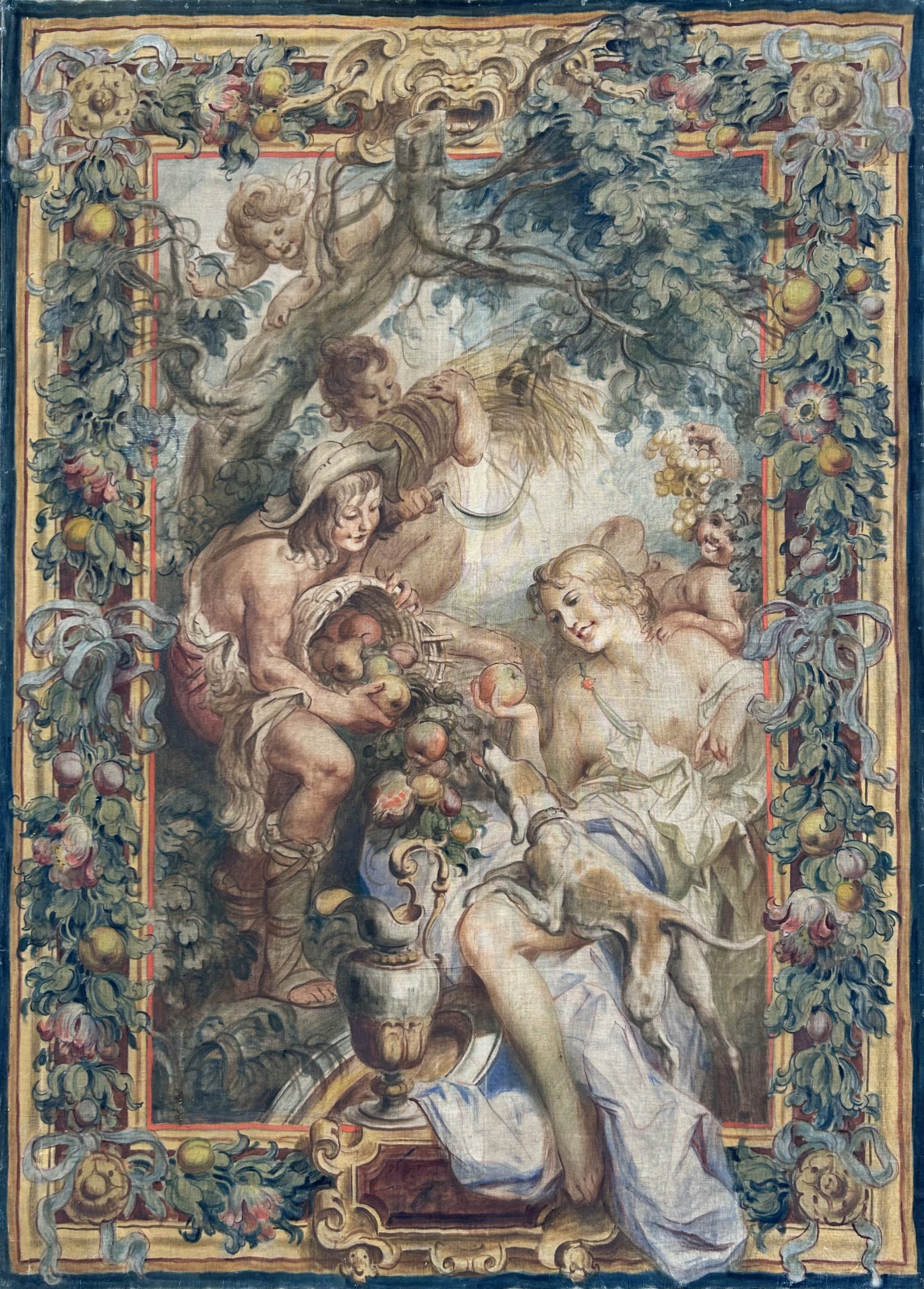
Mattia Traverso, born in Genoa in 1885 and died in 1956, was a highly talented Italian painter renowned for his exceptional technical mastery and his taste for grand, classical decorative scenes, which allowed him to revive the splendor of past centuries with a modern elegance.
Italy
Circa 1932
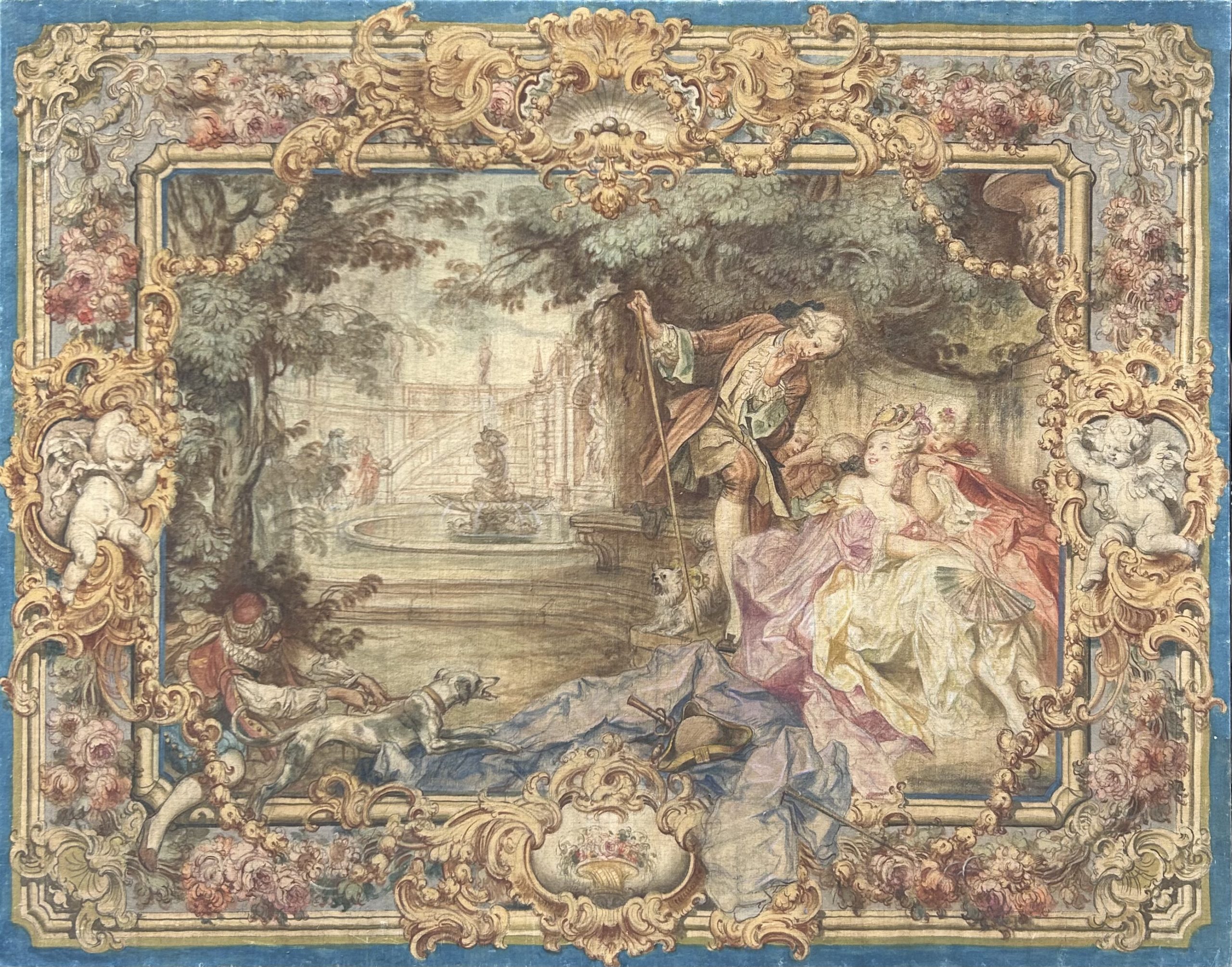
Mattia Traverso, born in Genoa in 1885 and died in 1956, was a highly talented Italian painter renowned for his exceptional technical mastery and his taste for classical scenes of grand decoration, which allowed him to revive the splendor of past centuries with a modern elegance.
Italy
Circa 1932
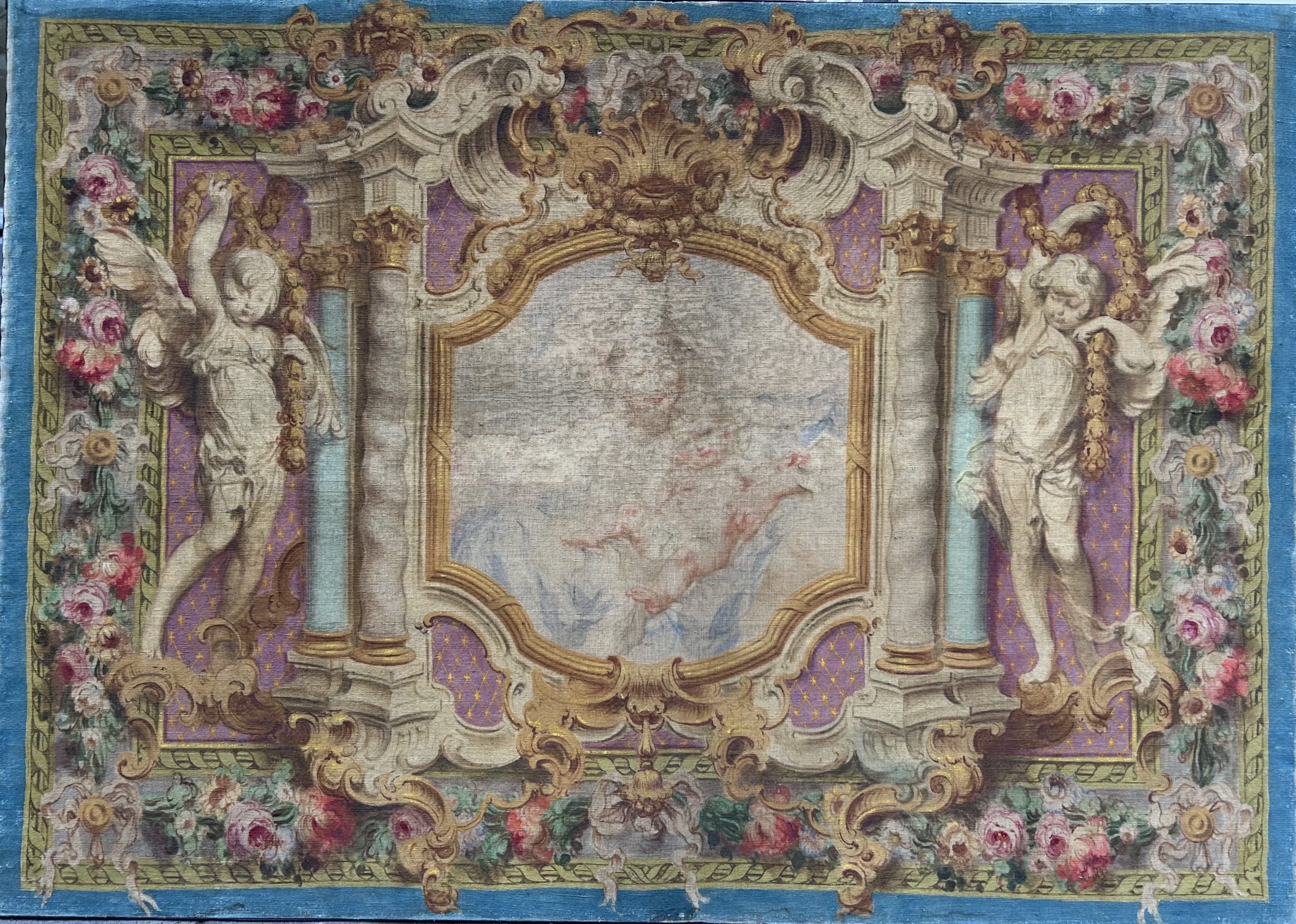
Mattia Traverso, born in Genoa in 1885 and died in 1956, was a highly talented Italian painter renowned for his exceptional technical mastery and his taste for grandly decorated classical scenes, which allowed him to revive the splendor of past centuries with a modern elegance.
Italy
Circa 1932

18th-century gouache on vellum depicting three children playing and a leaping dog, set against a green landscape with balustrades, Medici vases, and a pretty pink sky. The children appear to be arranging a large bouquet, as suggested by the basketful of flowers and petals scattered on the ground.

Oil on wood depicting a woman in front of a mirror applying a beauty mark, signed Henri Lafon and dated, original wood and stucco frame.
Henri LAFON (active in France in the second half of the 19th century).
19th century,
France